
Powerful Soft Skills in Just Fifteen Minutes
Today we dive into Quick-Start Soft Skill Workshops for 15-Minute Team Huddles, fast, focused sessions that sharpen communication, feedback, empathy, and decision-making without stealing your day. Expect practical scripts, micro-activities, and measurement ideas you can run before coffee cools. Try one, share results, and help others learn.
The Science of Small Bursts

Microlearning research shows people remember more when effort is distributed and reflection follows action. In a quarter-hour, you can model a behavior, try it once, debrief quickly, and set a small commitment. The brain loves closure, so finishing within time boosts confidence and recall.
Momentum Over Marathon

Momentum comes from tiny wins stacked inside real meetings. Instead of postponing development, teams practice a single move that improves today’s collaboration. No travel, no slides, no complex tooling—just a clear prompt, fast repetition, and a visible takeaway that people apply before the next sprint review.
Trust Builds in Repetition

Trust grows when people keep small promises in public. Regular, bite-sized commitments—like one listening technique or one feedback line—create predictable safety signals. Over weeks, micro-acknowledgments accumulate into reliability, reducing rework and misinterpretations. Psychological safety becomes practical, demonstrable, and contagious across squads and cross-functional partners.
Blueprint for a 15-Minute Workshop
One Clear Outcome
Define success as an observable action inside the huddle’s workflow, not a vague trait. For example, “state the decision and rationale in one sentence” beats “be decisive.” The tighter the behavior, the faster people practice, notice improvement, and reinforce it during normal collaboration.
Activity, Debrief, Commit
Structure the quarter-hour as three acts: demonstration with a simple script, paired or trio practice with rotation, and a debrief where the group names what worked. End with personal commitments and a micro-checkpoint. The rhythm stays consistent, making adoption effortless across busy schedules.
Artifacts You Can Reuse
Create lightweight cards, checklists, and sentence starters stored where your team collaborates—issue trackers, docs, or chat pins. Reusing artifacts reduces facilitation load and accelerates habit formation. Invite readers to request templates or share their favorite prompts, so we can expand the free library together.
Soft Skills That Deliver Immediate Impact
Not every capability fits a brief huddle, so prioritize behaviors that change conversations immediately. Listening, feedback, concise alignment, conflict de-escalation, and prioritization yield visible impact within sprints. Cycle them weekly, layering difficulty gradually, and celebrate small wins publicly to normalize ongoing practice and reflection.
Active Listening in Three Moves
Teach listening through three moves: orient body toward the speaker, mirror keywords, and ask a clarifying question that surfaces assumptions. Practice in pairs with real backlog items. The immediate relief teams feel often surprises skeptics and unlocks smoother handoffs across roles and time zones.
Two-Sentence Feedback
Keep feedback short, humane, and timely. Use a two-sentence frame: observation tied to impact, then a forward-looking request. Role-play with authentic friction points, like pull-request comments or meeting interruptions. People leave with language they can use within the hour, reducing tension and ambiguity.
Concise Alignment Statements
Alignment statements prevent rework and scattered priorities. Practice summarizing decisions in one crisp sentence, followed by who owns what by when. Have participants rewrite vague updates into actionable commitments. The clarity generated in minutes pays back daily through fewer pings, faster approvals, and calmer sprints.
Stories from Teams Who Tried It
During a remote stand-up, delivery lag sparked blame. The facilitator ran a quick listening drill, then one alignment sentence per person. Within a week, cycle time improved eight percent, and chat sarcasm vanished. Team members later reported feeling lighter, because expectations became explicit in every update.
A design-to-engineering handoff kept stretching. They tried a two-sentence feedback frame on mockups, right inside the huddle. Ambiguities surfaced quickly while energy stayed respectful. Over a month, rework tickets dropped noticeably, and both groups requested a shared template, which they now reuse across sprints.
Support faced a tense escalation from a major customer. In fifteen minutes, the squad rehearsed a de-escalation script emphasizing acknowledgment and a single next step. The call ended without an escalation manager, and renewal risk softened. The team made the script part of onboarding.
Pulse Checks That Matter
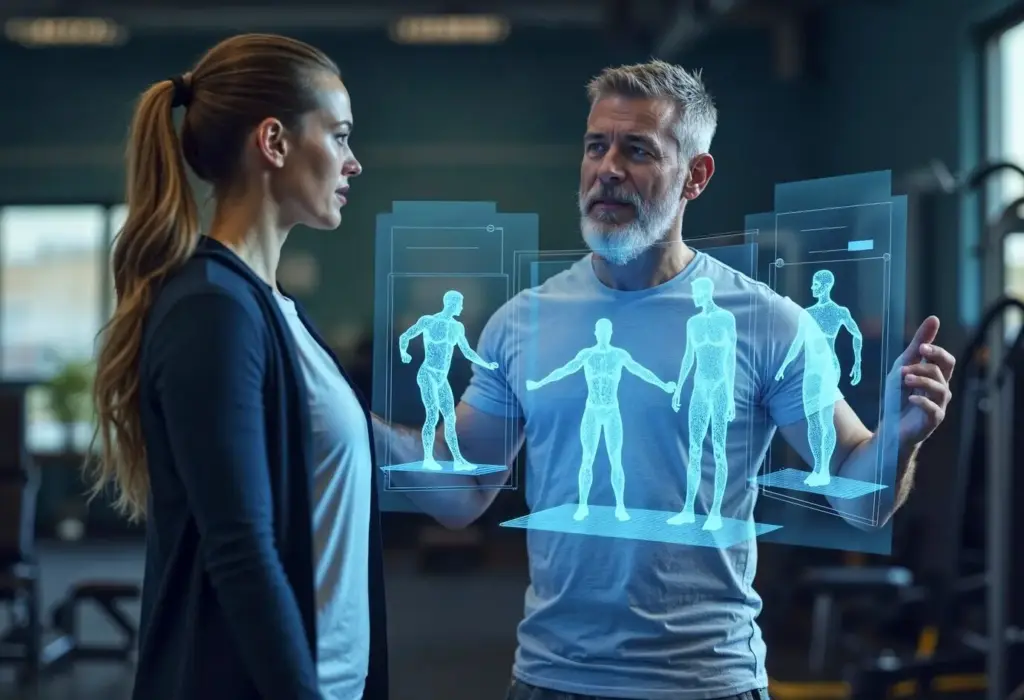
Ask one or two questions after each huddle, like “did you use the technique today?” and “did it help?” Keep it anonymous and fast. Publish trend graphs in the same channel where huddle notes live, so everyone sees progress and proposes experiments together.
Behavioral Scoreboards

Turn commitments into visible checkmarks. A simple board with names, behaviors, and dates nudges follow-through without shaming. Celebrate green checkmarks during stand-ups. When numbers slip, ask what got in the way and adjust the constraint, not the goal, keeping dignity and momentum intact.
Outcomes You Can See

Pair people metrics with work metrics. Watch incident counts, cycle time, and handoff delays around the days you practice a skill. When change appears, spotlight the connection. Invite readers to comment with their results, and we will compile a community benchmark for everyone.
Facilitation for Busy Leaders
Facilitation should feel like air: present, supportive, and barely noticed. Your job is to create conditions where practice happens quickly and respectfully. Use light structure, generous curiosity, and crisp time cues. Keep materials handy, rotate roles, and finish with gratitude and intent.